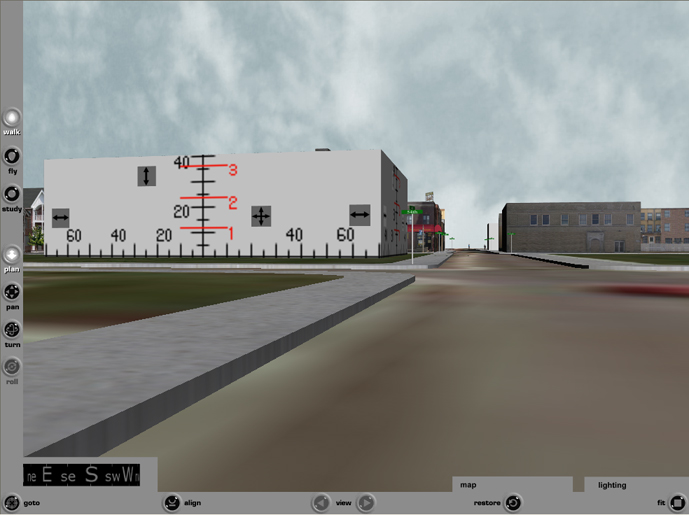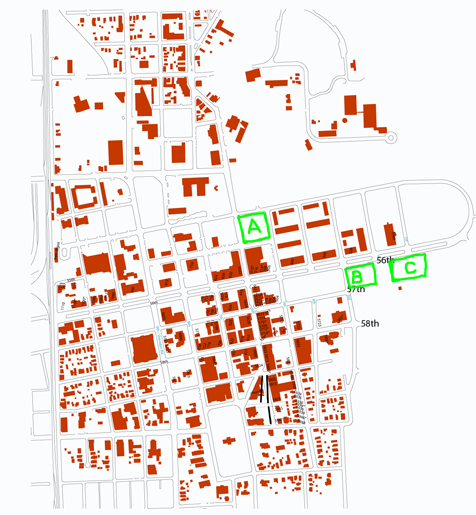
The interplay of data, its geographical context, and the technology employed to visualize it
David Unwin, Emeritus Chair in Geography, Birkbeck College, University of London and Visiting Chair in Geomatic Engineering, University College, University of London, in the book Geographic Visualization: Concepts, Tools, and Applications:
There are three potentially problematic areas of visualization. There are three basic strategies to create graphics: the interplay between data and its context, spatial analytics that modify the data, and exaggerating data to better see what it represents.
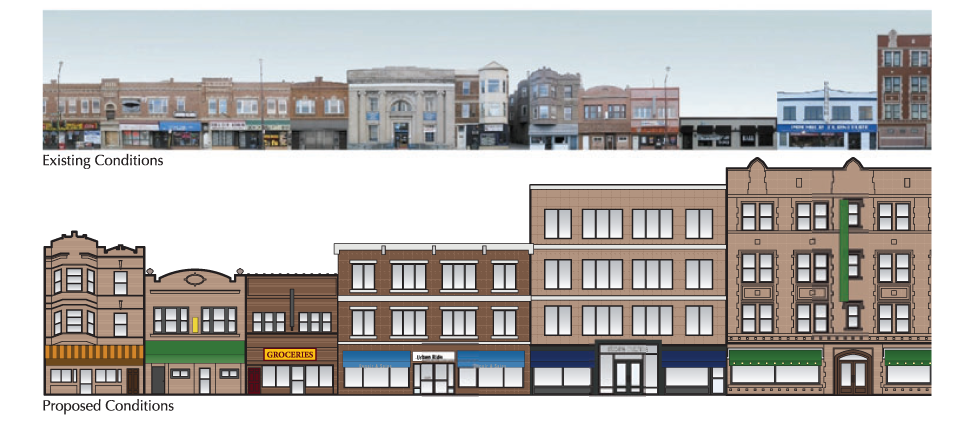
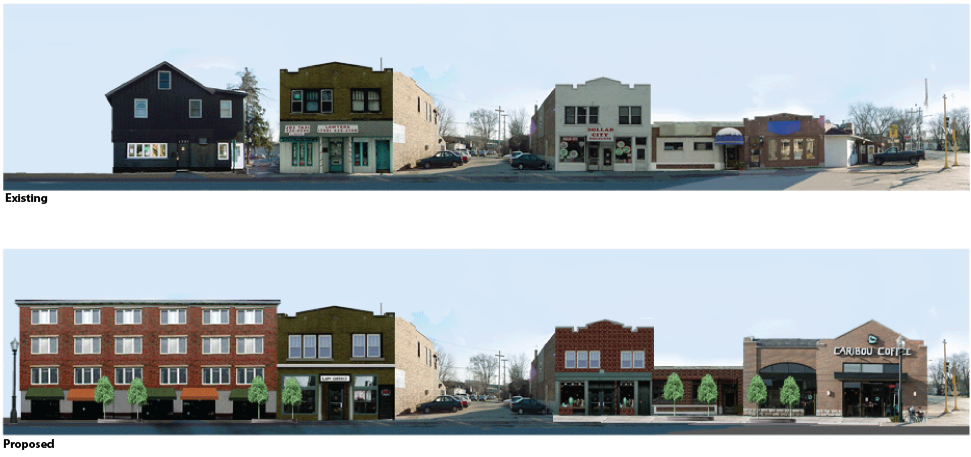
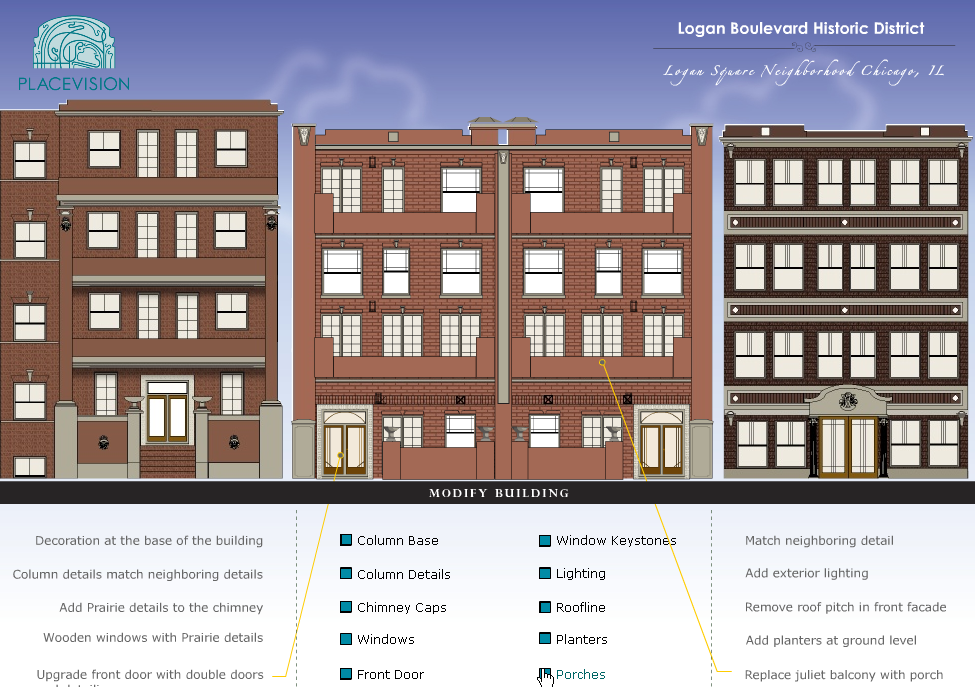
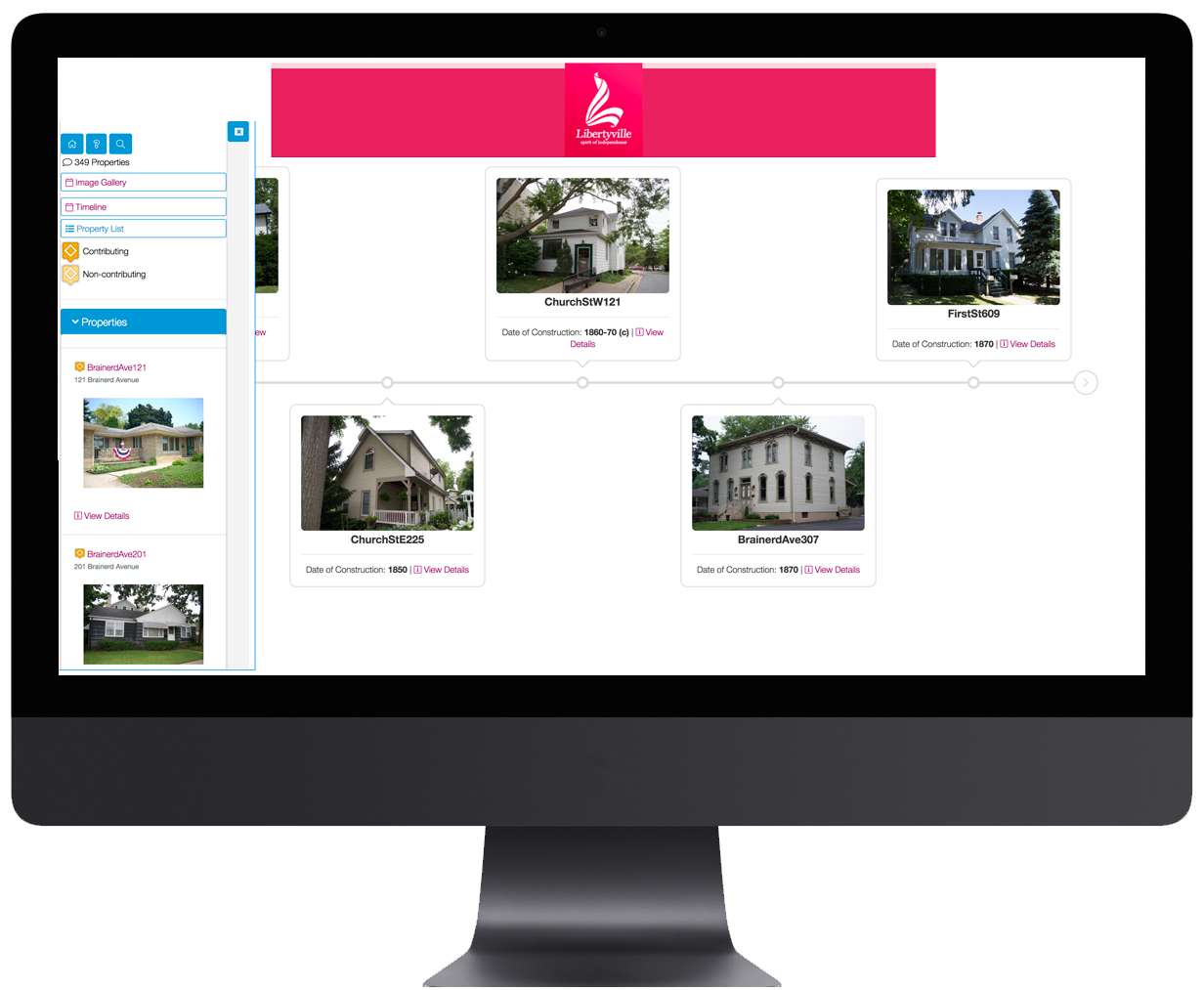
Geovisualization enables interaction with data by meshing and linking it with other data without changing the data being presented.
Spatial-analytics modifies the numbers to be mapped by mathematical manipulation such as density gradients, probabilities of outcomes, and statistics.
Geo-reality (I am giving it that name, Unwin calls it Tobler’s way) to consolidate data in such a way that the geographic representation is more evident (such as psychogeography- the representation of the built environment as it i experienced).
However, we need a log (database) of what and why for particular types of scenarios. Perhaps this is a good starting point to classify visualization methods (technology independent) in order to synthesize techniques. The main objective for all designers of information is to portray data accurately so that it makes sense without a cognitive burden.

Augmented Reality (AR) technology merges virtual content with the physical world. Mobile devices can combine knowledge of where you are, what you are doing, and what information you need to augment the physical world around you with content for planning, education, and productivity.
There needs to be an easy way to capture what is said, transcribe it into words, and mind map it automatically. This might seem a little far fetched, but there are many time-saving benefits. This could be possible through a linked system using Requal > Evernote > Curio applications. Evernote has an API that syncs with Curio, and Requal can sync with Evernote. However, more research will be required to see if Curio could map something on-the-fly. Curio – Mind Mapping, Brainstorming, and Project Management Software